In today's rapidly evolving digital storage landscape, NVMe SSDs (Non-Volatile Memory Express SSDs) have long since replaced traditional SATA SSDs, becoming the core storage choice for PCs, servers, industrial equipment, and other scenarios. However, faced with the wide variety of M.2 NVMe SSD products on the market, you may have these questions: What is an M.2 NVMe SSD? What are the core differences between it and traditional storage devices? How to choose the right NVMe SSD for your needs? Which scenarios are different types of NVMe SSDs suitable for?
First, let's clarify the core definition: NVMe (Non-Volatile Memory Express) is a high-speed storage protocol specifically designed for NAND flash memory. It relies on the PCIe interface for data transmission. Compared to the traditional SATA protocol, it maximizes the performance advantages of flash memory, featuring low latency, high bandwidth, and high scalability. This is the core reason why NVMe SSDs can achieve near-instantaneous loading and efficient data transfer. M.2 NVMe SSDs are not classified along a single dimension. We combine four core dimensions—interface form factor, protocol version, flash memory chips, and application scenarios—for a comprehensive and detailed classification. We also incorporate the core competitiveness of our company's products, allowing everyone to understand the classification logic and clearly know how to choose high-quality products.
I. Classification by Interface Type: Adapting to Different Devices, Balancing Portability and Performance
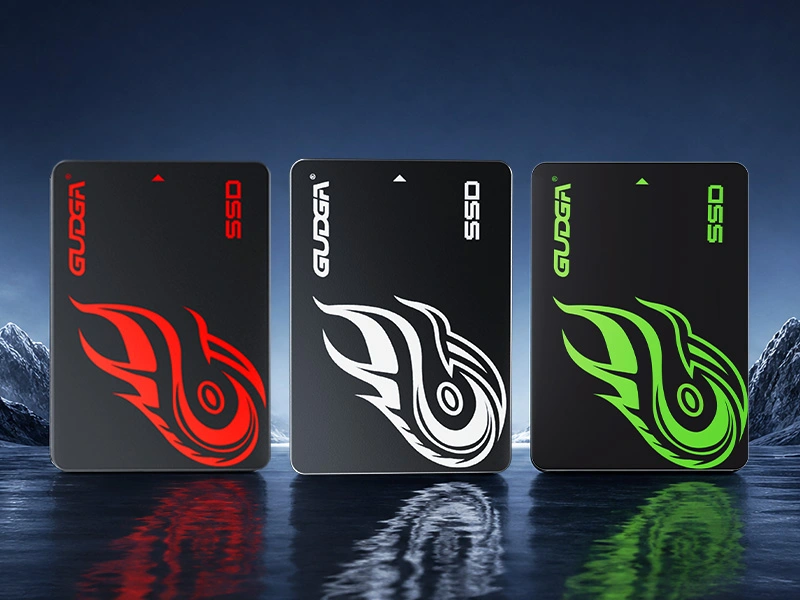
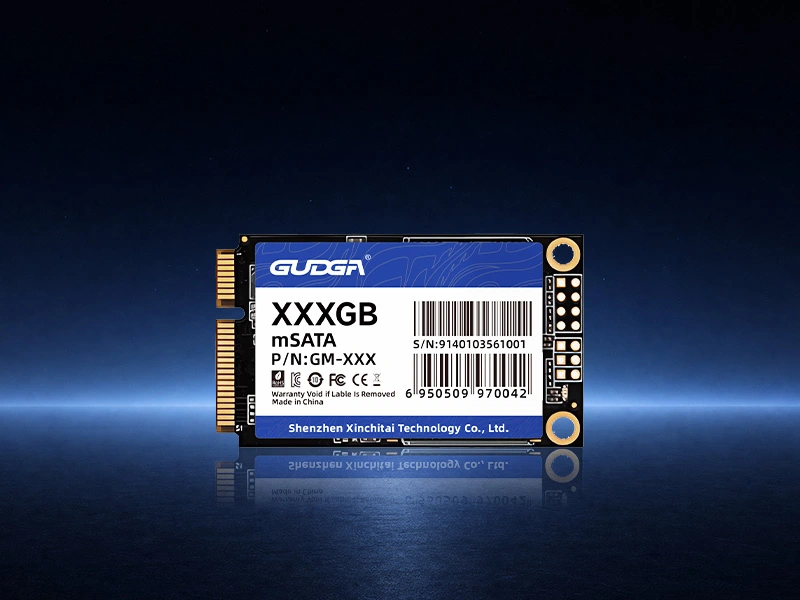
Interface type is the most intuitive way to classify NVMe SSDs. Products with different interfaces differ significantly in size, installation method, and compatible devices, which is also the first factor we consider when choosing a product. How to determine which interface NVMe SSD is compatible with your device? The answer lies in the classification of interface types, and our company's products cover all interface types to meet the needs of various devices.
M.2 Interface NVMe SSD (Mainstream Consumer & Thin and Light Devices' First Choice)
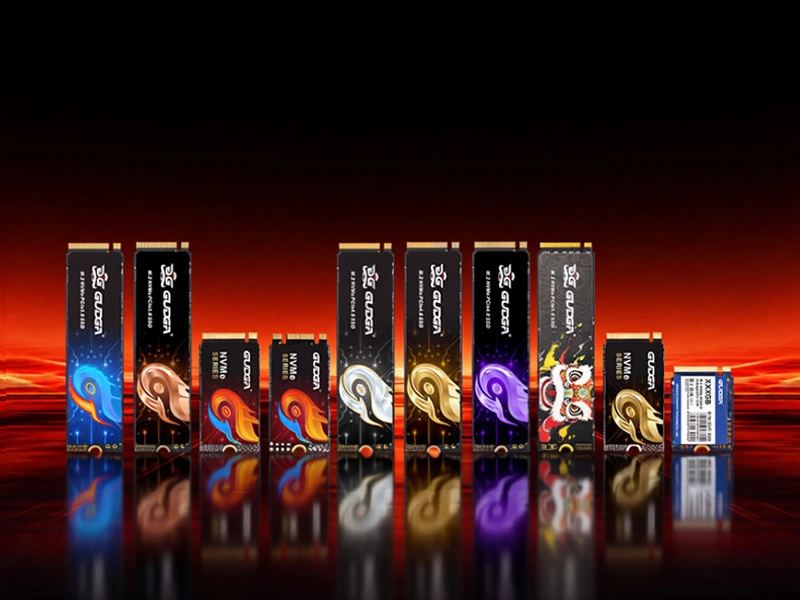
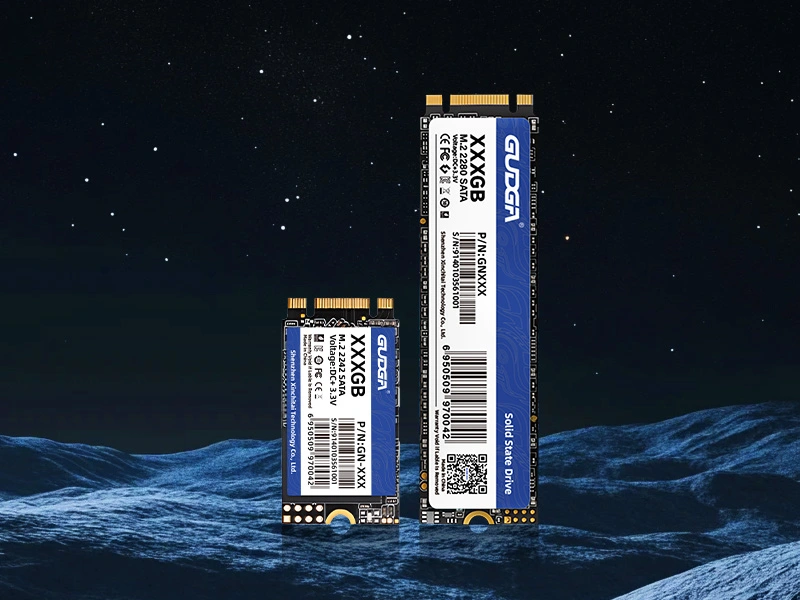
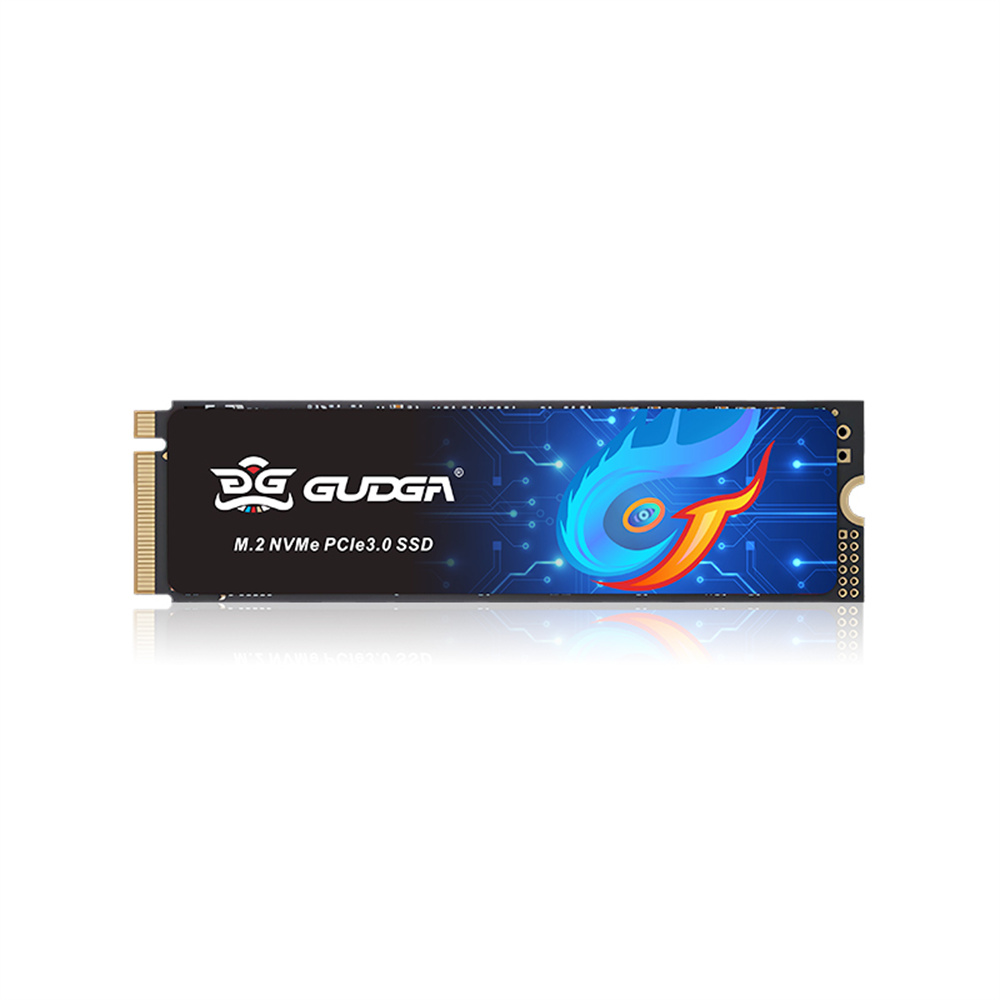
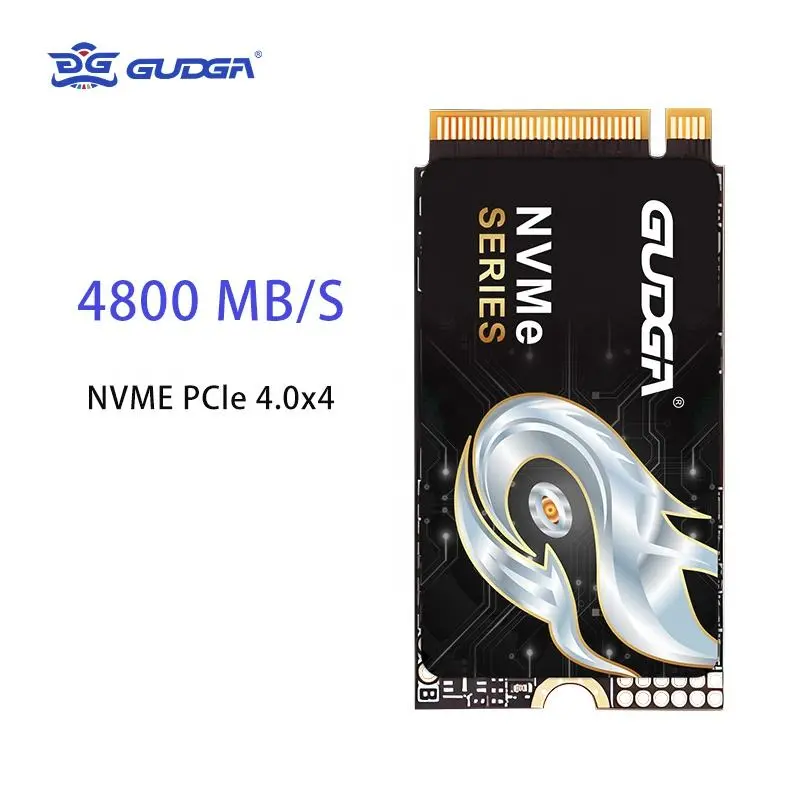
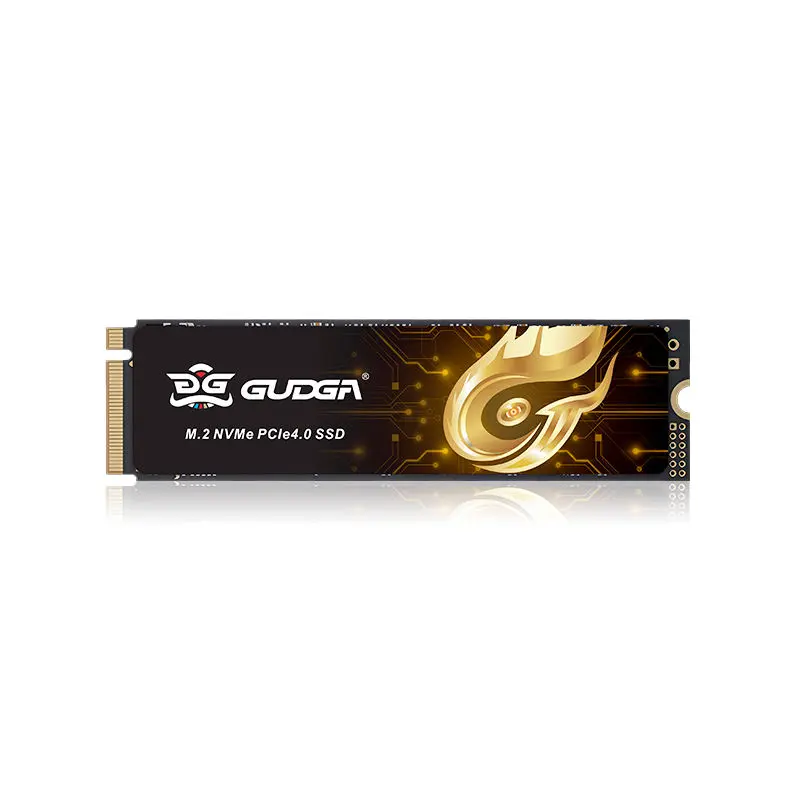
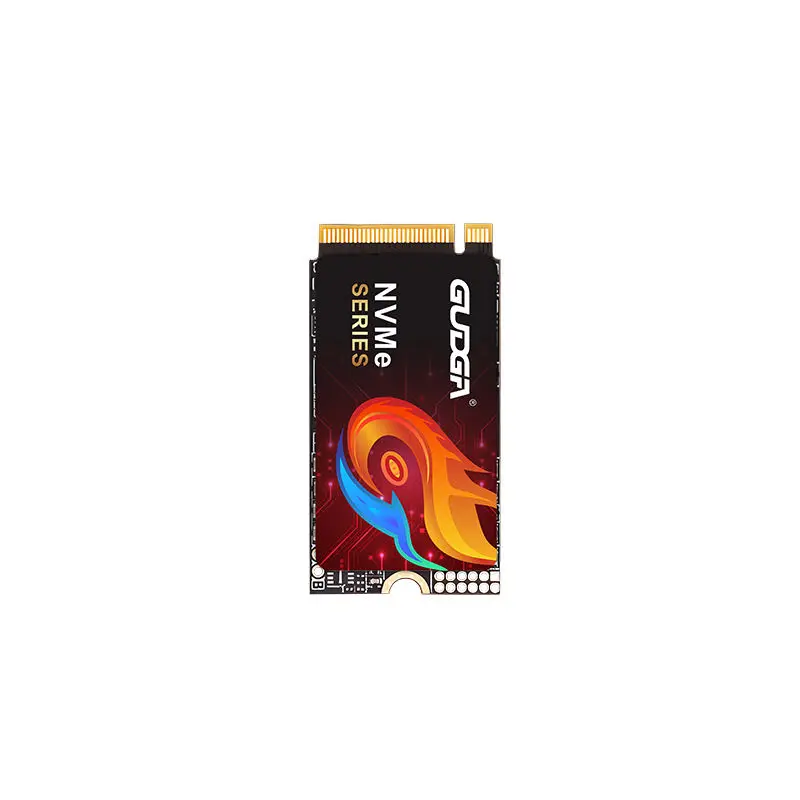
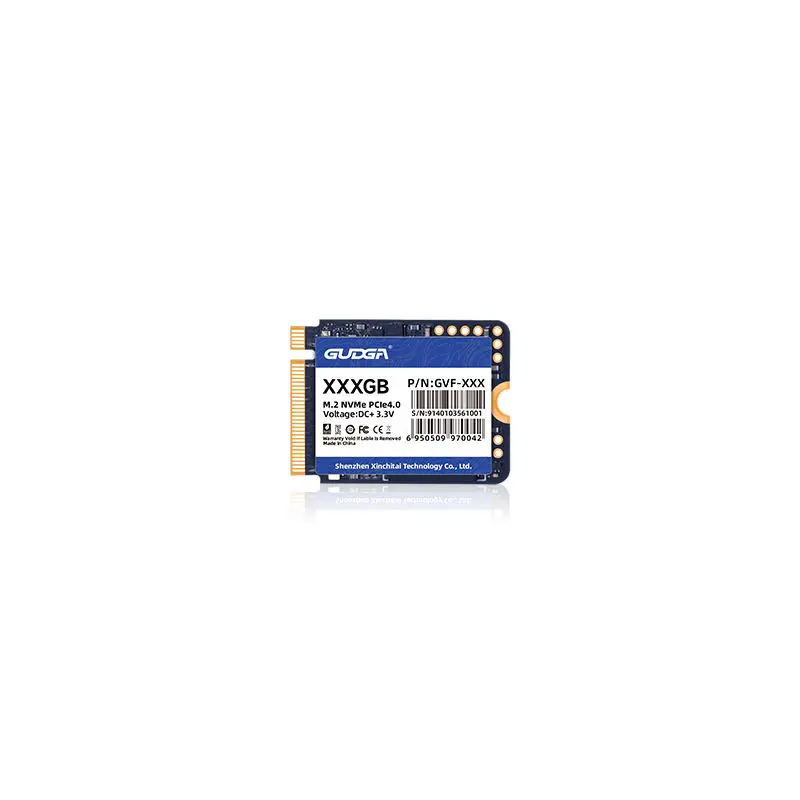
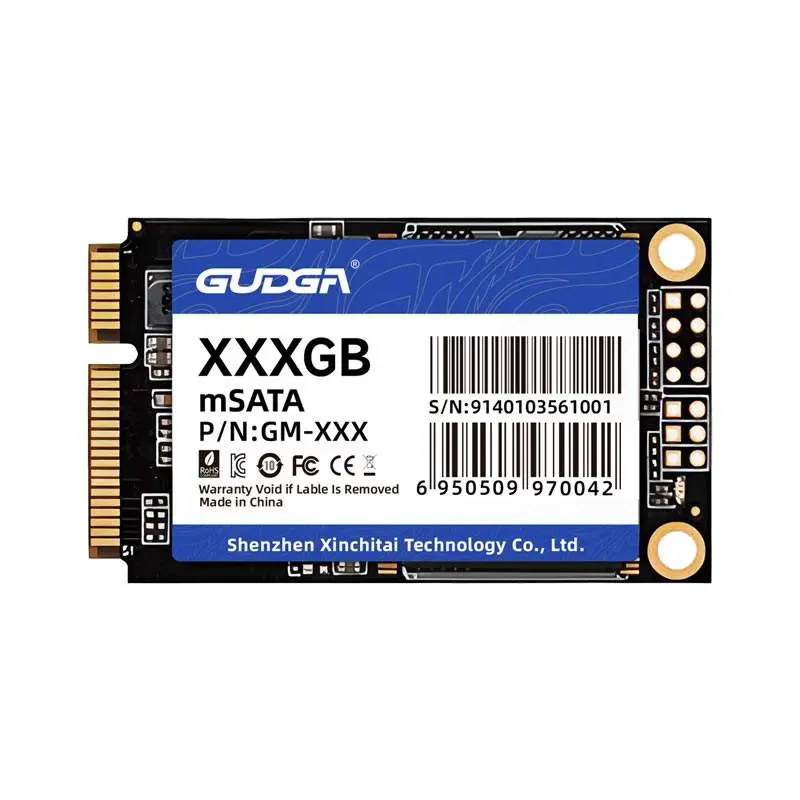
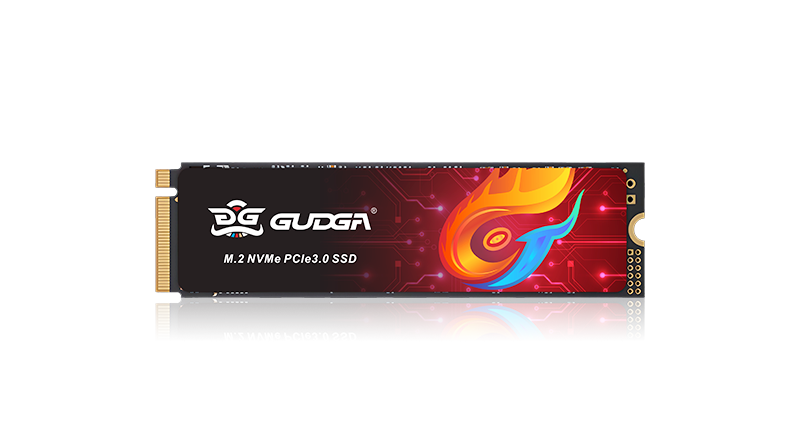
This is currently the most common and widely used type of NVMe SSD. It uses the compact M.2 form factor, requiring no additional data or power cables; it can be directly inserted into the motherboard's M.2 slot, greatly saving internal space. Depending on the size, it can be divided into four specifications: 2230, 2242, 2260, and 2280. The 2280 specification is the most mainstream, compatible with most desktops and laptops, while the 2230 specification is often used in handheld gaming devices, mini PCs, and other small devices.
Our company's M.2 NVMe SSDs are characterized by their "compact size, high efficiency, and strong compatibility." All models use the 2280 standard form factor (other sizes can be customized), supporting dual-channel PCIe 3.0 x4 and PCIe 4.0 x4 transmission. They are compatible with 99% of mainstream motherboards and laptops on the market, easily adapting to both upgrading older computers and building new ones. Furthermore, the products feature an ultra-thin design, only 3.5mm thick, and with thermal pads, effectively reduce operating temperature, preventing performance throttling due to overheating and addressing the pain point of insufficient heat dissipation in thin and light laptops and mini PCs.
How to choose the right M.2 NVMe SSD for your computer?
1. Compatibility First: First, check the device manual to confirm the length supported by your motherboard/laptop (e.g., 2280 only or compatible with 2260/2280) to avoid purchasing the wrong one that cannot be installed.
2. Balance between capacity and performance: Choose 2230/2242 (512GB–1TB) for everyday office work; choose 2280 (1TB–4TB) for gaming/creative work.
3. Heat dissipation suits different scenarios: 2230/2242 is suitable for low loads; 2280 with heatsink is suitable for high loads.
4. Thickness suits different space requirements: Choose single-sided (2.4–3.5mm) for thin and light laptops; desktops can install double-sided/heatsink models (4–8mm) to avoid space constraints.
II. Protocol Version: Iterative Upgrades, Continuous Performance Breakthroughs
The NVMe protocol has undergone multiple iterations, with significant differences in transfer speed and features between versions. What is the difference between different NVMe protocol versions? Is a higher version always better? In fact, the key is to match your usage needs and device compatibility. Our products cover mainstream versions to meet various performance requirements.1. NVMe 1.3(PCIE Gen3.0) Version (Cost-Effective, Compatible with Older Devices)As an earlier mainstream version, it uses PCIe 3.0 interface, with a theoretical bandwidth of 32Gbps, sequential read/write speeds up to 3500MB/s, and 4K random read/write over 500K IOPS, suitable for daily office, general gaming and multimedia. It features strong compatibility with older devices and affordable price.
Our SSD PCIE Gen3.0X4 2280 M.2 Nvme SSD products focus on cost-effectiveness, adopting original flash chips and stable controllers. With MTBF up to 1.5 million hours, they support TRIM and S.M.A.R.T. monitoring. Compared with peer products in the same price range, they have better chip quality and stability, ideal for budget-conscious users prioritizing stability.2. NVMe 1.4 (PCIE Gen4.0)Version (Mainstream, Balancing Performance and Compatibility)Currently the mainstream version, it is compatible with PCIe 3.0/4.0 interfaces. Based on NVMe 1.3, it optimizes transmission efficiency, reduces latency, and adds HMB function to enhance performance in small file transfer and multitasking. Sequential read/write speeds exceed 7000MB/s, 4K random read/write over 800K IOPS, compatible with most new computers and professional equipment.
Our best-selling NVMe 1.4 series uses PCIe 4.0 x4 interface and self-developed firmware, automatically switching between energy-saving and high-performance modes. It supports LDPC error correction and is equipped with original NAND flash, with a lifespan of up to 300TBW (1TB capacity). It also comes with a five-year warranty and fast after-sales service, meeting both general and professional needs.3. NVMe 2.0 (PCIE Gen5.0)Version (High-End, Ultimate Performance)The latest version paired with PCIe 5.0 interface, it has a theoretical bandwidth of 64Gbps, sequential read/write speeds up to 12000MB/s, and 4K random read/write over 1500K IOPS (double that of NVMe 1.4). It adds ZNS and KATA features to improve data security and storage efficiency, suitable for high-end gaming, professional video editing, AI and big data processing.
Our NVMe 2.0 products adopt the latest PCIe 5.0 controller and high-end 3D NAND flash, with self-developed heat dissipation and performance optimization technologies. Supporting hardware encryption, power loss protection and partition management, they outperform peer high-end products in stability and feature richness, with a more competitive price.
III. Classification by Application Scenarios: Precise Matching of Needs, Dedicated Positioning
Different application scenarios have different requirements for the performance, capacity, and stability of NVMe SSDs. Precise matching is essential to maximizing their value. How to choose the right NVMe SSD for different scenarios? Our company designs dedicated products for different scenarios, leveraging our R&D and supply chain advantages to provide high-quality, cost-effective products.
1. Consumer-grade NVMe SSD (First Choice for Daily Office & Gaming)
Targeting individual users, suitable for daily office work, gaming, video editing, and other scenarios. The core requirements are high cost-effectiveness, strong compatibility, and moderate performance. Our products cover M.2 interface NVMe 1.4/2.0 versions, capacities from 512GB to 4TB, using TLC NAND flash memory + self-developed firmware, with sequential read/write speeds of 3500~7400MB/s, 4K random read/write speeds of 500K~1000K IOPS, and support for a five-year nationwide warranty with rapid after-sales response.
2. Industrial-Grade NVMe SSDs (Preferred for Industrial Control & Extreme Environments)
Targeting industrial users, these SSDs are suitable for industrial control, automotive, and military applications. Core requirements include interference resistance, vibration resistance, wide temperature range, and high stability. Our products utilize industrial-grade SLC/MLC NAND flash memory and controllers, enabling stable operation in extreme environments from -40℃ to 85℃. They support a wide voltage range of 5V to 12V, and allow for customized interfaces and capacities. Having passed industrial-grade reliability testing, they boast an MTBF of 3 million hours, ensuring long-term stable operation.
IV. Company Advantages and Core Product Features
Choosing a high-quality NVMe SSD requires attention to classification parameters and a reliable brand. GUDGA has deep expertise in the storage field, leveraging four core advantages: R&D, quality control, product development, and after-sales service, accumulating a strong reputation. Specifically:
1. R&D Advantages: Our professional R&D team keeps abreast of technological advancements, pioneering NVMe 2.0/PCIe 5.0 products. We have developed our own firmware and heat dissipation technology, and collaborate closely with renowned NAND flash memory manufacturers such as Samsung and Micron, ensuring quality control from the source.
2. Quality Control Advantages: Strict quality control throughout the entire process. Products undergo multiple tests, including high and low temperature and vibration tests, resulting in an MTBF far exceeding the industry average, ensuring greater peace of mind.
3. Product Advantages: Covering all interfaces, protocols, and NAND flash types, adaptable to various scenarios, combining high performance, high stability, and high cost-effectiveness, supporting customized solutions.
4. After-Sales Advantages: Nationwide after-sales service network coverage, providing a five-year warranty, free testing, and rapid repair. A professional team responds promptly to your needs.